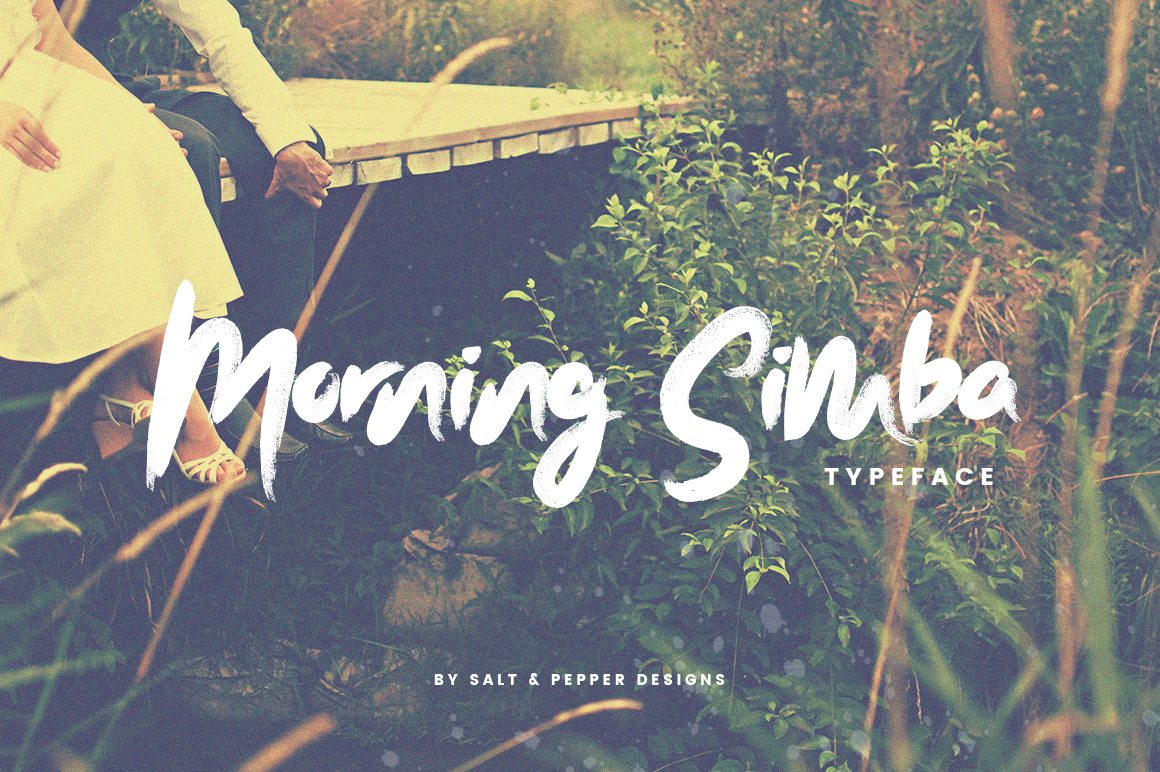
Choosing the Right Script Font for Your Web Design
As a web designer working on a new boutique online store, I was looking for a font that could add personality without sacrificing readability. The site needed to feel modern, stylish, and trustworthy—something that would make customers feel excited about the products while still being easy to read on all devices.
The Search for the Perfect Script Font
I had been using several script fonts in previous projects, but none quite hit the right balance between elegance and approachability. Most of them felt too ornate or too casual. What I needed was a font that could work as a headline or a tagline, yet still support the body copy and other elements of the design with clarity.
That’s when I came across Morning Simba Script. At first glance, it looked like the kind of font that could elevate a design from ordinary to memorable. It has that classic handwritten feel, but with a modern twist that feels fresh and relevant for today’s digital audiences.
Testing Morning Simba Script in a Real Project
I started by testing the font in the hero section of the website. Placing it over a high-quality product image, I noticed how it immediately caught the eye without overwhelming the visual hierarchy. The bold, slightly slanted strokes gave it a dynamic look, perfect for a brand that wants to stand out in a crowded market.
But I didn’t stop there. I checked how it performed on mobile screens, where legibility is key. Even at smaller sizes, the font remained clear and readable. That’s important because many users will interact with the site on their phones, and readability can make or break the user experience.
I also considered how the font would pair with other elements. For instance, I used a clean sans-serif font for the body text to contrast with the more decorative nature of Morning Simba Script. This pairing created a nice balance, allowing the script to shine without overpowering the rest of the design.
Where to Use Morning Simba Script Effectively
Morning Simba Script is versatile enough to be used in multiple areas of a website. Here are some practical examples:
- Hero Sections: As a headline or subheadline to draw attention and set the tone.
- Call-to-Action Buttons: Its bold style makes it ideal for buttons that need to stand out.
- Logo Text: If your brand has a creative or artistic identity, this font can become part of your logo.
- Blog Headers: Adding a touch of personality to blog posts without distracting from the content.
- Product Landing Pages: Highlighting key features or promotions with a strong visual impact.
- Decorative Accents: Using it sparingly in headers, footers, or sidebars to add flair without clutter.
It’s important to use the font strategically. While it adds character, overuse can lead to visual fatigue. Reserve it for headlines, titles, and key messaging points rather than for large blocks of text.
Readability and Responsiveness
When designing for the web, readability is non-negotiable. Morning Simba Script performs well in most situations, but I made sure to test it across different screen sizes and backgrounds. On light backgrounds, it felt crisp and modern. On dark backgrounds, it maintained its clarity and didn’t lose its visual appeal.
I also paid attention to how it looked on small buttons and navigation menus. Even at smaller sizes, the font retained its distinctiveness, which is crucial for ensuring that users can easily read and interact with the site.
Font Pairing and Brand Identity
Pairing fonts is an essential part of building a cohesive brand identity. In my project, I paired Morning Simba Script with a simple sans-serif font for the body text. This combination created a sense of professionalism while still maintaining a creative edge.
If you’re working on a brand that leans toward editorial or luxury aesthetics, consider pairing it with a serif font. For a more contemporary feel, a sans-serif font might be better. The key is to maintain a balance that supports both the message and the audience.
What to Consider Before Using Morning Simba Script
Before implementing any font on a live website, it’s important to check the following:
- File Formats: Morning Simba Script comes in TTF format, which is compatible with most design tools and web platforms.
- Webfont Availability: Ensure that the font is available as a webfont if you plan to use it on a site with heavy traffic or complex layouts.
- Commercial Licensing: Confirm that the font is licensed for commercial use, especially if you’re building a client project or an online store.
- Alternates and Weights: Check if there are alternate weights or styles available to suit different design needs.
- Responsive Design: Test the font across various screen sizes to ensure it remains legible and visually appealing.
- Performance: Keep an eye on load times, especially if you’re using multiple fonts or custom webfonts.
By taking these steps, you’ll ensure that Morning Simba Script enhances your design without compromising performance or usability.
Final Thoughts on Morning Simba Script
In my experience, Morning Simba Script is a great choice for designers looking to add a touch of personality to their projects. It works well in a variety of contexts, from landing pages to branding assets, and offers a good balance between style and functionality.
Whether you’re building a creative portfolio, launching a new course, or redesigning a blog, this font can help you create a more engaging and polished online presence. Just remember to use it thoughtfully and pair it wisely to maintain a consistent and professional look across your entire design.